




GLP-1 medications often lead to a meaningful drop in appetite and overall food intake. That can support body-weight goals—but it also raises a predictable risk: when calories drop quickly and protein intake becomes inconsistent, the body may pull from lean tissue. Most people don’t want “weight loss” if it includes losing the muscle that gives their body shape, strength, and a firm look. Protecting lean mass is one of the smartest priorities during any period of reduced intake, and protein is the most direct nutritional tool to support that goal.
Muscle isn’t just for the gym. It supports daily strength, posture, and how your body looks in clothes. It also influences body composition—meaning you can end up smaller on the scale but not as defined as you expected if lean mass drops along the way. When appetite is lower, it’s easy for meals to become “light” by default, and protein is usually the first thing to fall short because it takes more intention to include.
Protein helps protect muscle in practical ways. It provides the amino acids your body uses to maintain muscle tissue, supports recovery from activity, and helps keep your body in a muscle-preserving pattern during reduced intake. The challenge on GLP-1s is simple math: smaller meals make it harder to reach protein consistently. A few bites at breakfast, a light lunch, a small dinner—and the day ends without enough protein to support lean-mass maintenance. This isn’t a willpower issue. It’s a consistency issue.
A strategy that works is building “protein anchors”—reliable moments where protein happens no matter what. Instead of hoping meals work out, you decide in advance that protein will be covered at specific times of day. Most people do well with two to four anchors depending on appetite and schedule, and spreading protein out tends to work better than trying to cram it all into one meal you may not feel like eating.
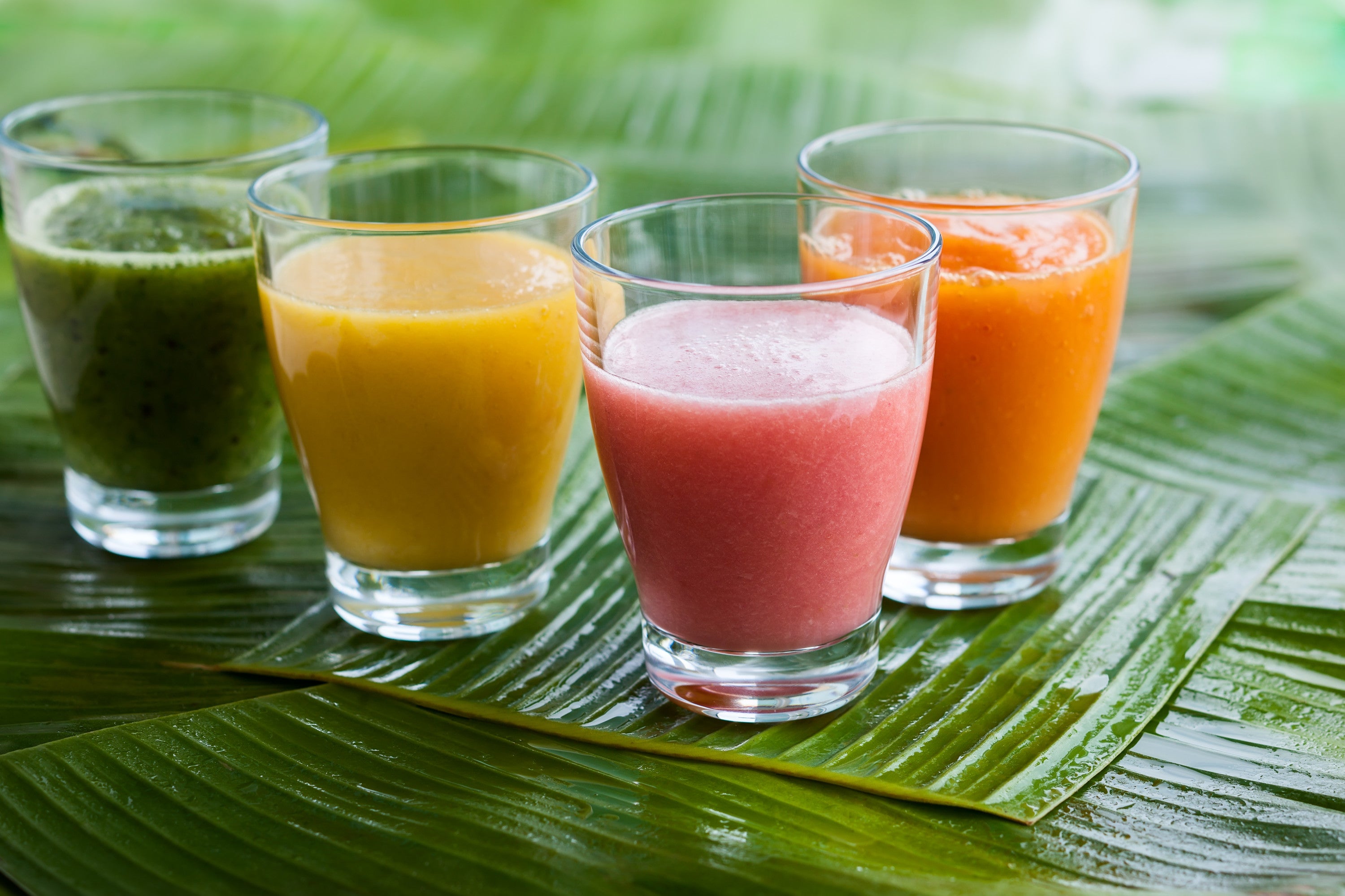
This is where a protein drink mix becomes a practical tool. It doesn’t replace real food—it solves the consistency problem. When appetite is low, cooking feels like too much, or meals are smaller than usual, a shake is one of the fastest ways to add meaningful protein without increasing meal volume dramatically.
GLP-Good Looking Protein was designed to fit that exact reality. It’s a refreshing, easy-to-sip option (a “clear” style whey protein drink mix, not a heavy creamy shake) that helps you lock in a protein anchor fast—especially on days when you don’t feel like a full meal. It also includes marine collagen and hyaluronic acid, which supports a simple “beauty-from-within” routine alongside your daily protein habit—so your routine supports not only the results you’re chasing, but also the way you want to look and feel while you get there.
The most effective way to use it is to place it where protein commonly gets missed. A morning anchor is a strong choice if breakfast tends to be light. Another option is using it alongside a smaller lunch to keep the day’s protein from falling behind. If you train, even a couple days per week, it can also work well after a workout or as an afternoon anchor. Mix one serving with water (a shaker helps), and the priority is reliability: pick the moment you’re most likely to skip protein and make this the default.
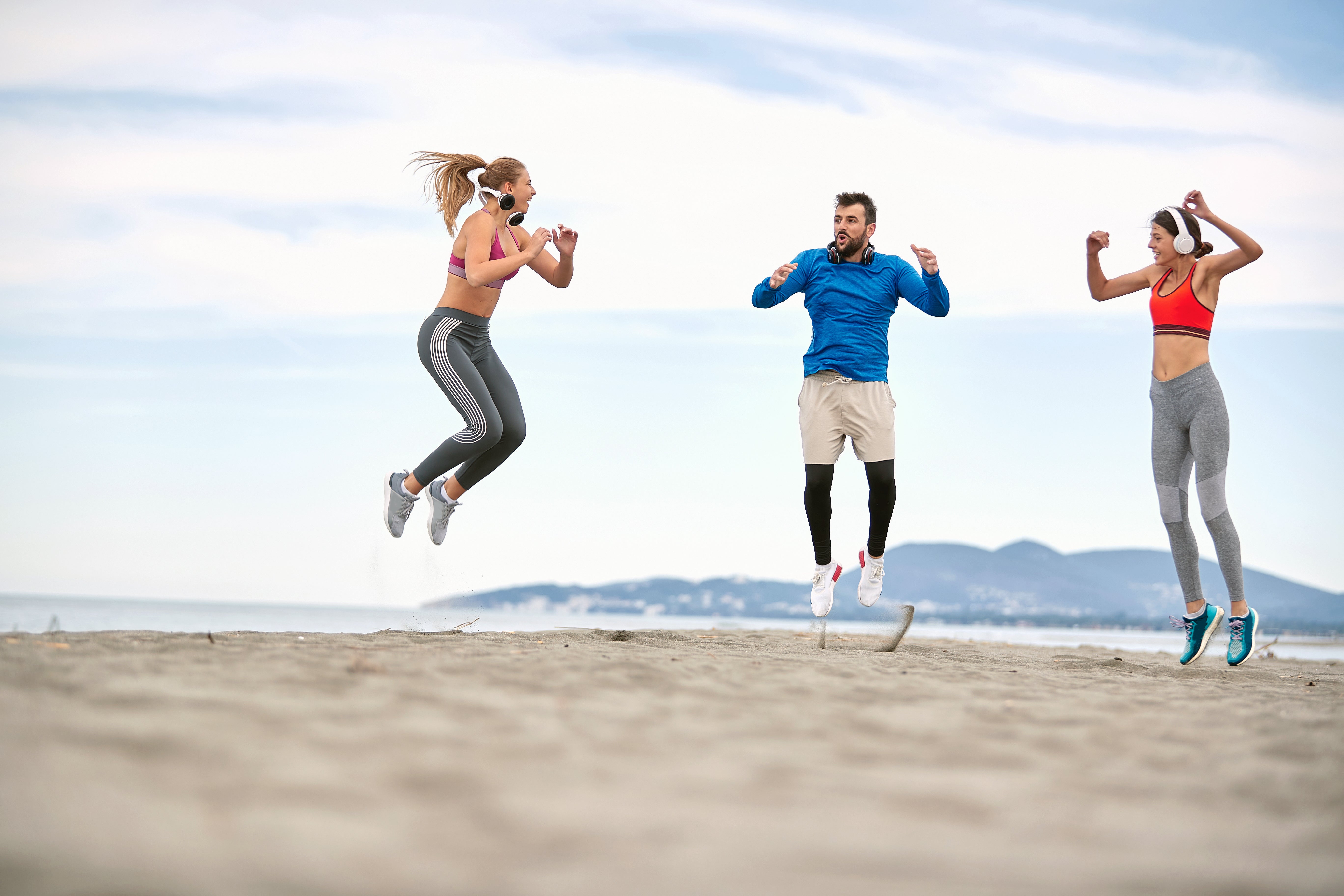
For best results, pair consistent protein intake with resistance training. Even short sessions a few times per week give your body a reason to maintain lean mass. Protein provides the building blocks; training provides the signal. Together, they support the outcome most people want on GLP-1s: not just a lower number on the scale, but a leaner, firmer look with strength maintained.
†The FDA has not evaluated these statements. This information is for educational and informational purposes only, and is not intended to diagnose, treat, cure or prevent any disease.


